Qualitative fieldwork·Spartanburg, South Carolina34.95° N, 81.93° W
Picturing Identity
Fifteen Latin American immigrant parents and their adult children each took five photographs of “American culture and identity” and five of the culture and identity of the label they chose for themselves. In later interviews they explained each photograph and placed it on a scale between the two.
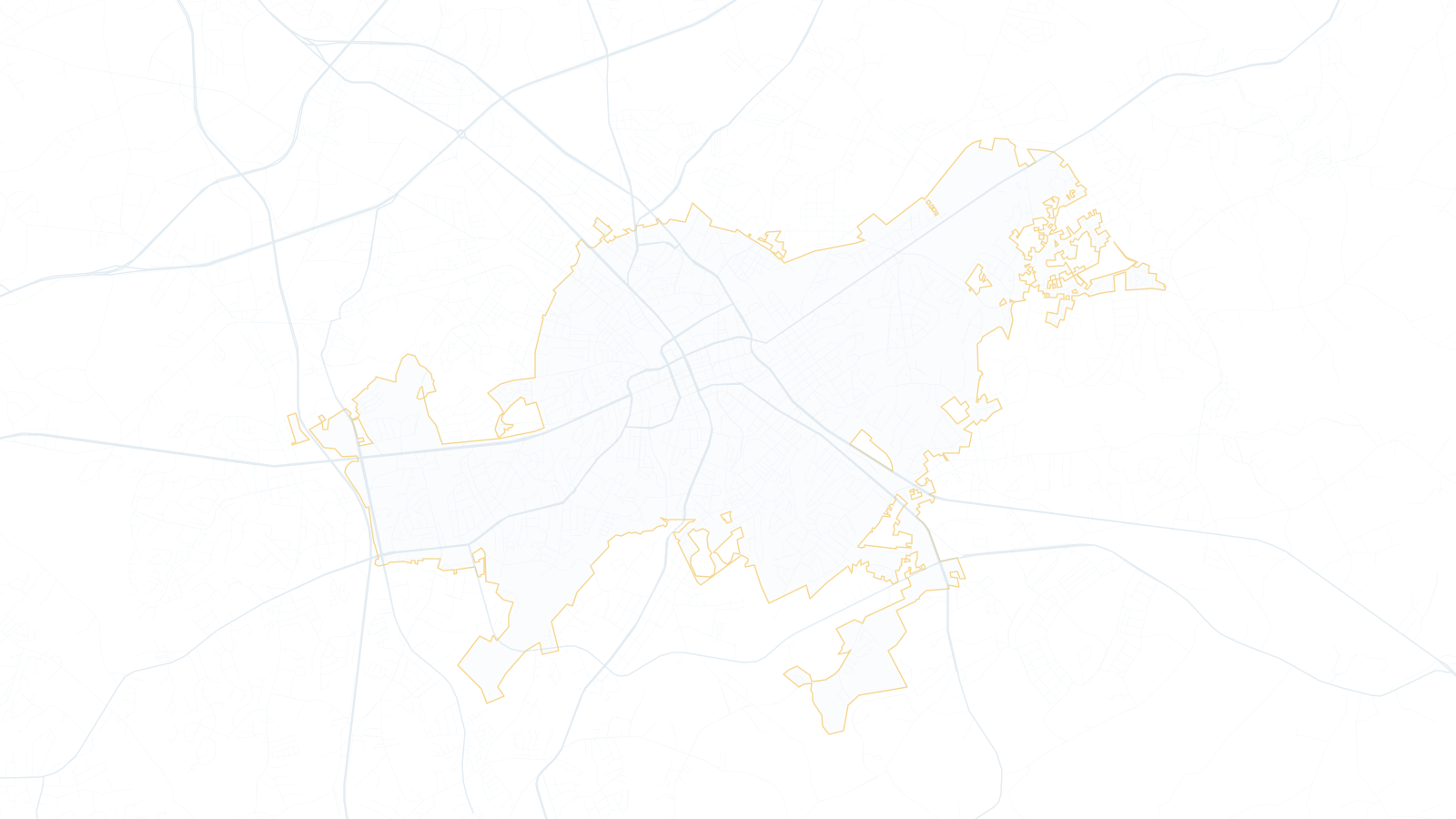
Streets of the City of Spartanburg · U.S. Census Bureau TIGER/Line
How the study worked
01
First interview
An interview about self-defined identity, migration, and life in Spartanburg, in Spanish or English. Participants were asked, “Do you consider yourself an American?” Then, after discussing a list of other identity labels, they finished the sentence “I am ______.”
02
Ten photographs
Over two weeks, each participant took five photographs to represent “American culture and identity” and five to represent the culture and identity of the label they had given.
03
Photo-elicitation interview
Participants explained each photograph, placed it on a scale from 100% American to 100% their own label, and responded to the photographs taken by their parent or child.
04
Family focus group
Three families talked through all of their photographs together, in both languages.
The design adapts Massey and Sánchez (2007), who gave Polaroid cameras to ten first- and second-generation Latino immigrants and asked them to document “Latino” and “American” life in the United States.
53interviews
220participant photographs
3bilingual family focus groups
Fifteen example photographs on one scale
Each participant placed their own photographs during the second interview, on a scale from 100% American to 100% the label they had chosen. The side for each was randomized across interviews. Here every scale is drawn the same way, with the participant’s own label on the left.
Taken for their own labelTaken for “American”Hover or tap a photograph for details
100% own labelMidpoint100% American
Table view
Photograph
Participant
Taken for
Placed
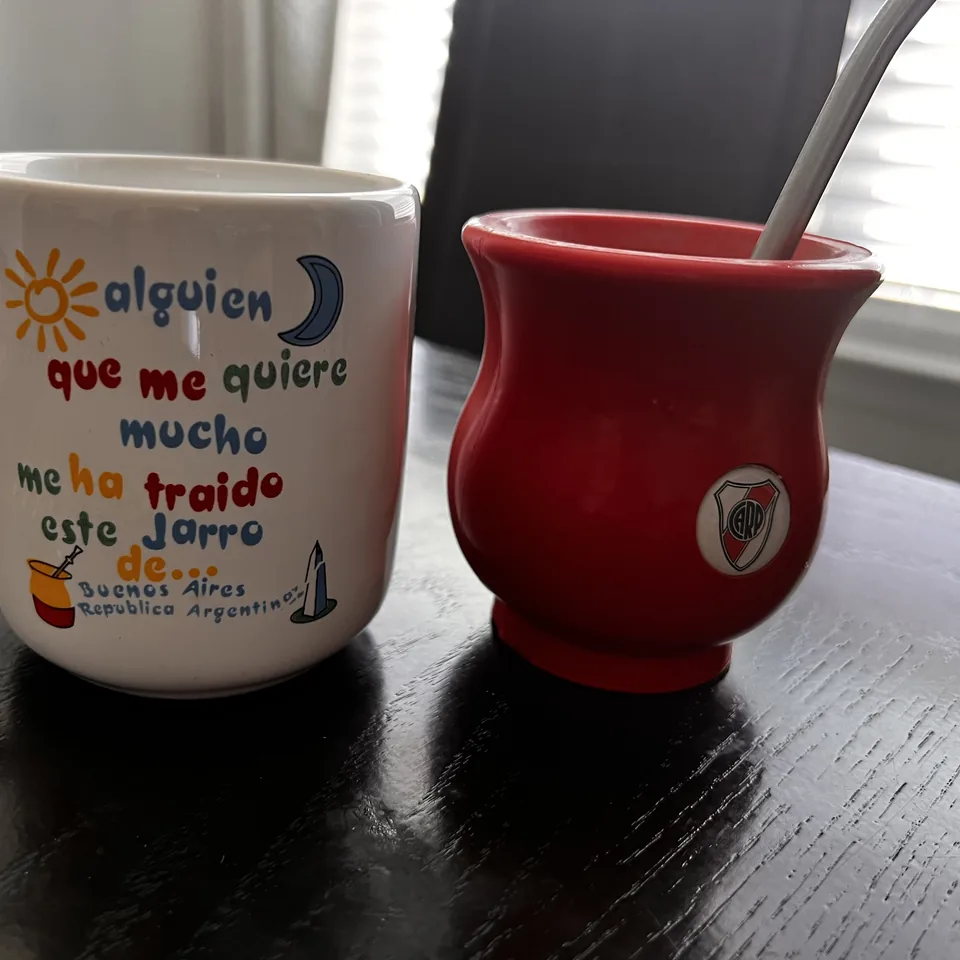
Mate
Maria
Argentine
100% Argentine
Buñuelos
Celeste
Colombian
100% Colombian
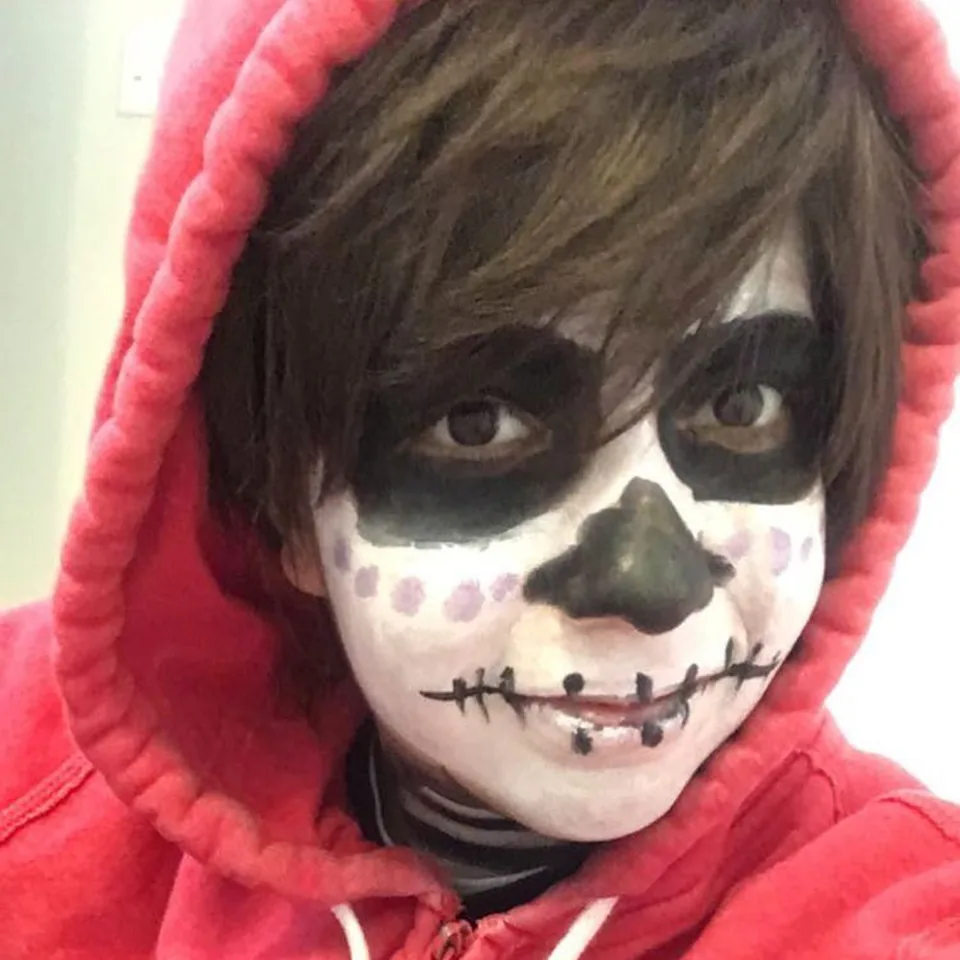
Día de Muertos makeup
Ana
Mexican
100% Mexican
La Única Supermarket
Lorenzo
Mexican
9 toward Mexican
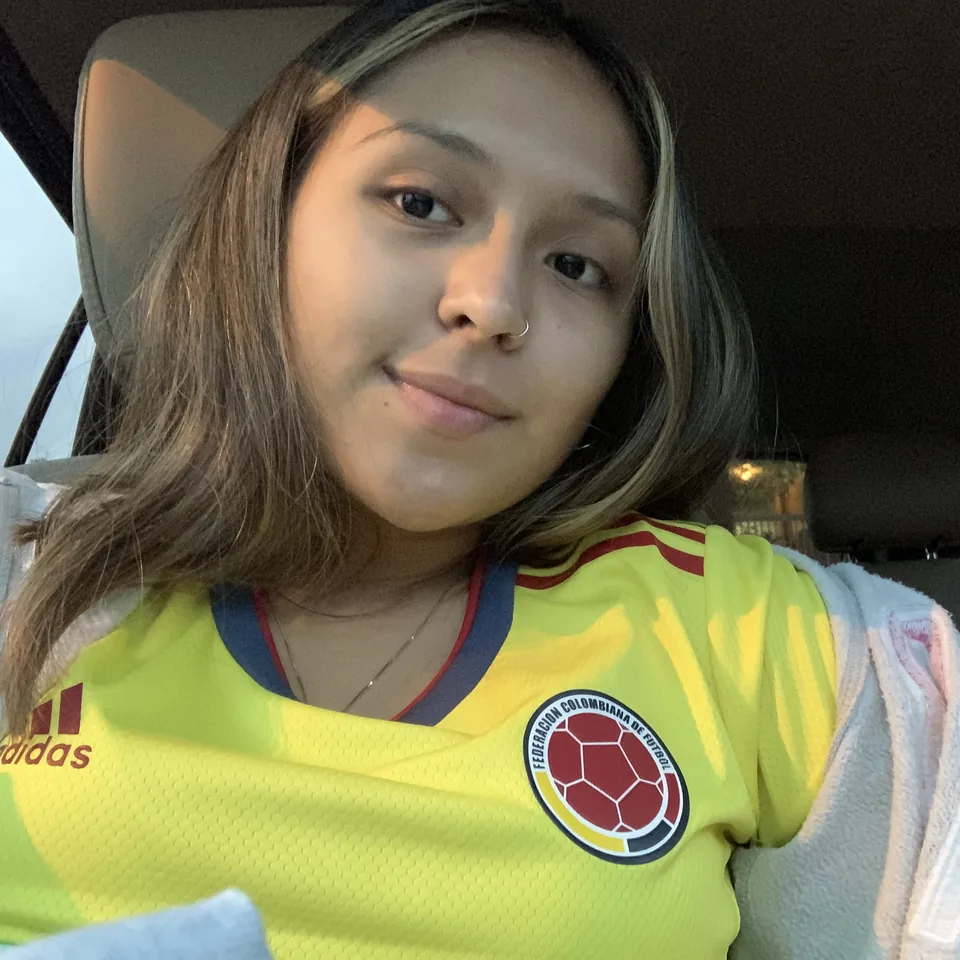
Colombia jersey
Victoria
Colombian
8 toward Colombian
Molcajete
Rosario
Mexican
8 toward Mexican
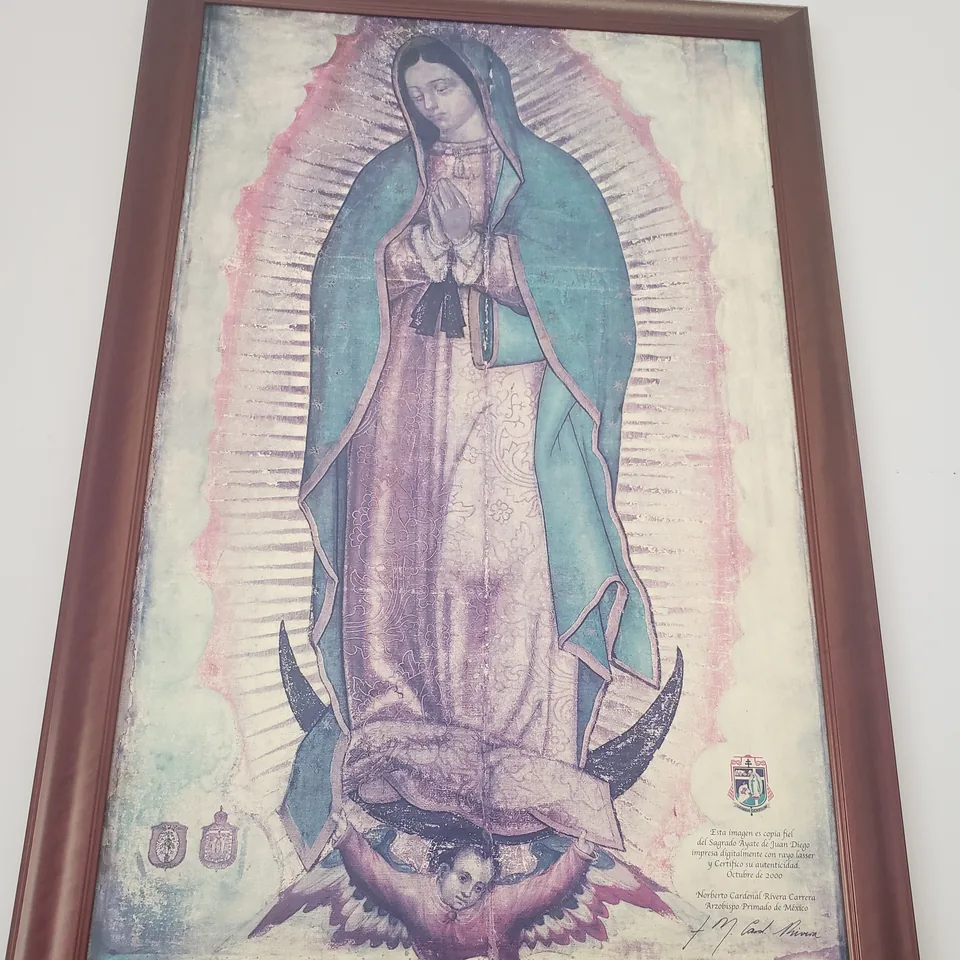
Virgin of Guadalupe
Maricruz
Mexican
7 toward Mexican
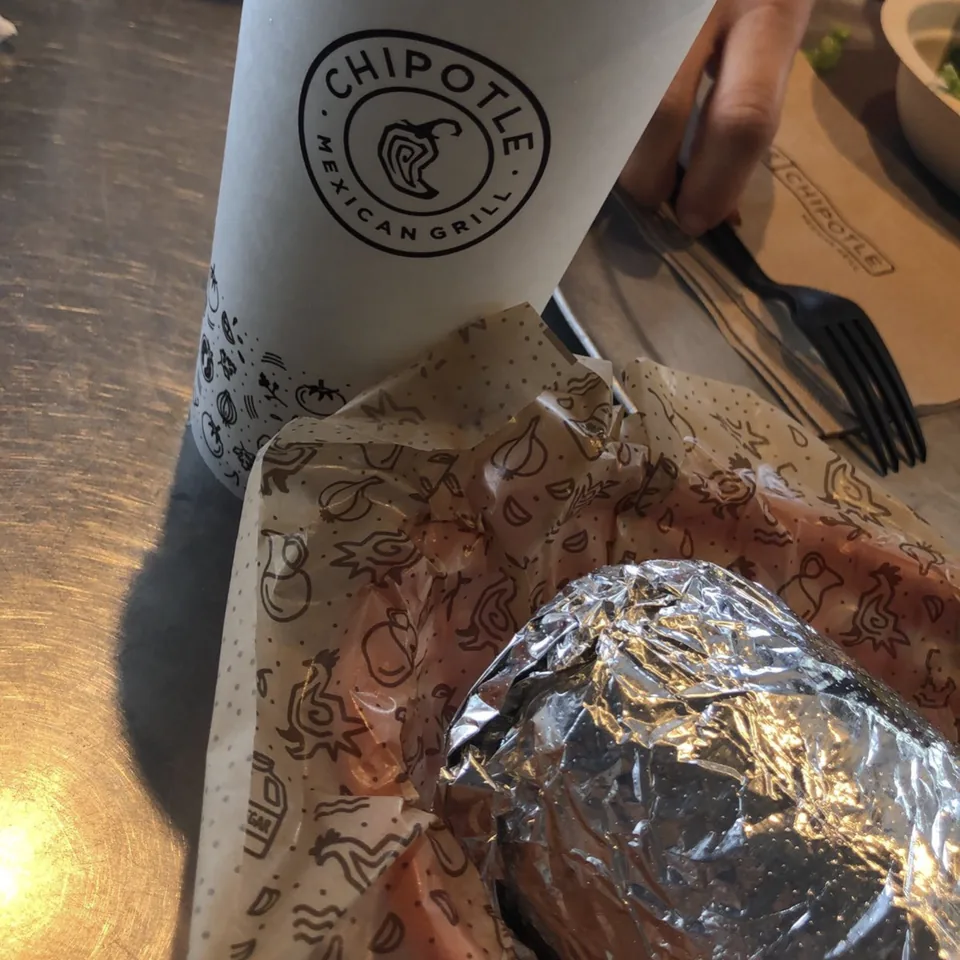
Chipotle burrito
Leticia
Mexican
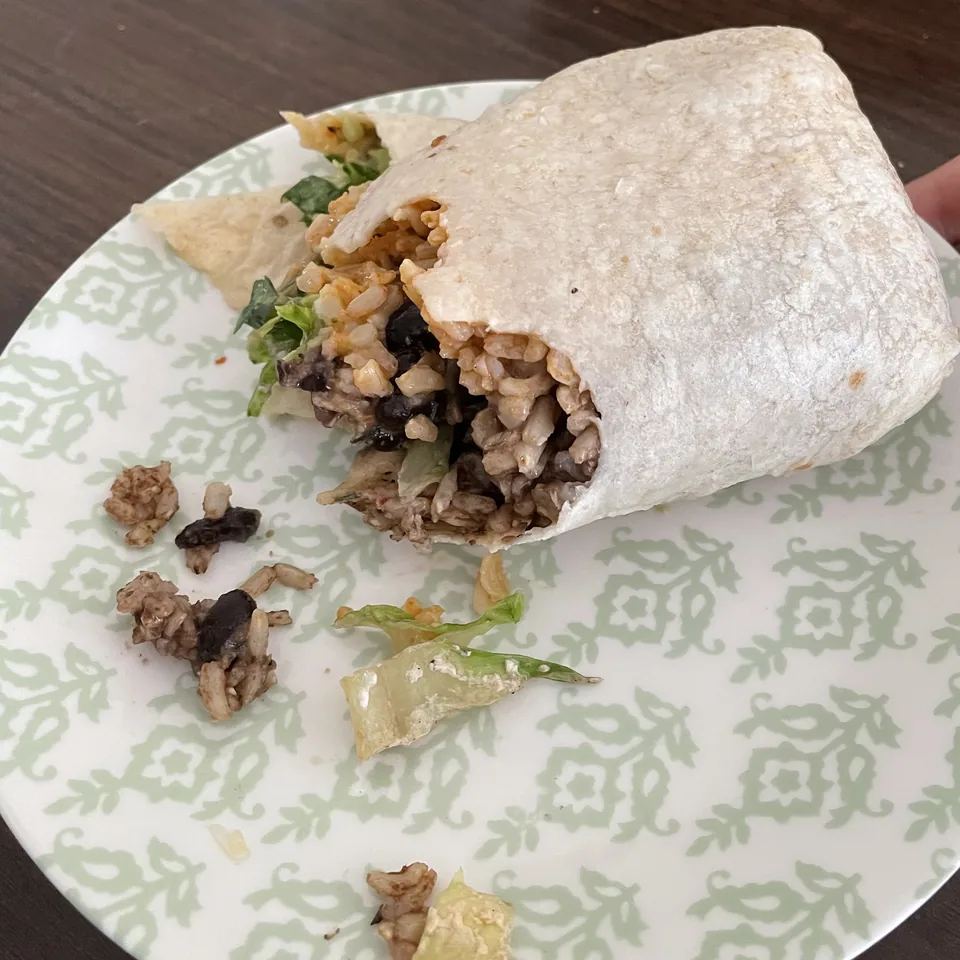
Midpoint
Burrito
Gabriela
American
1 toward American
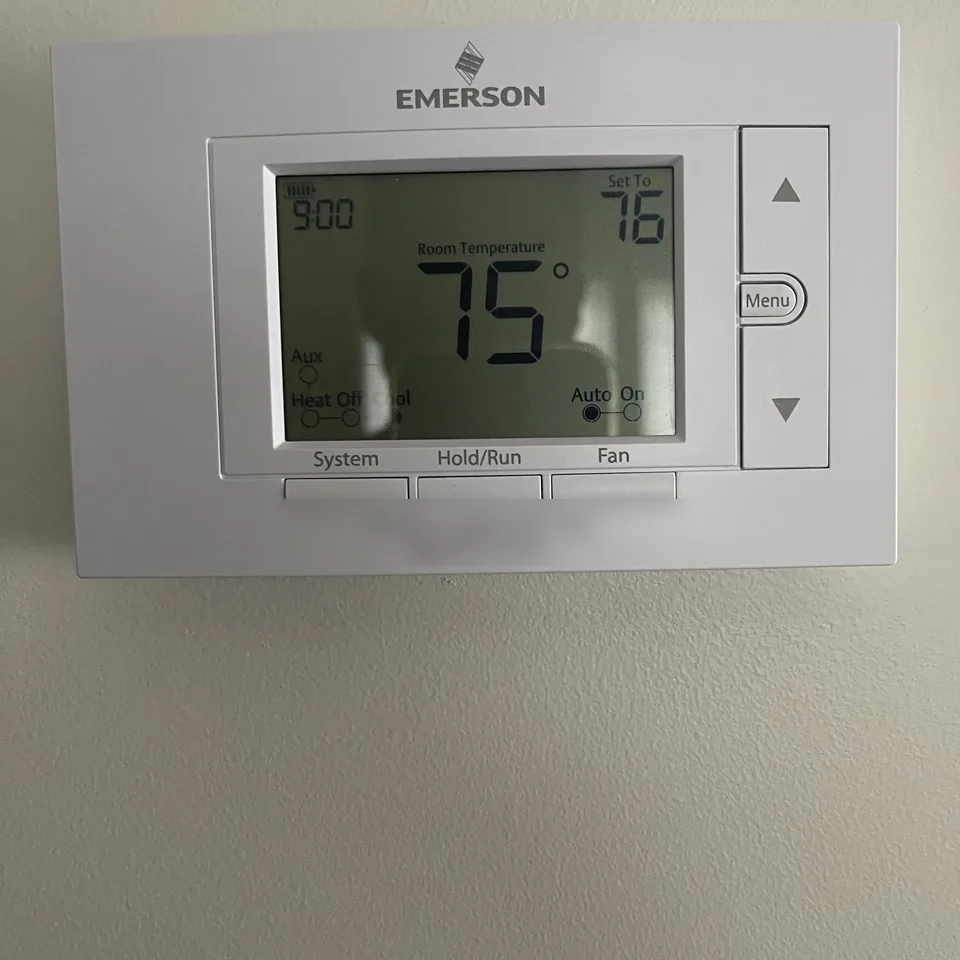
Thermostat
Lorenzo
American
5 toward American
Snowman latte
Mariana
American
8 toward American
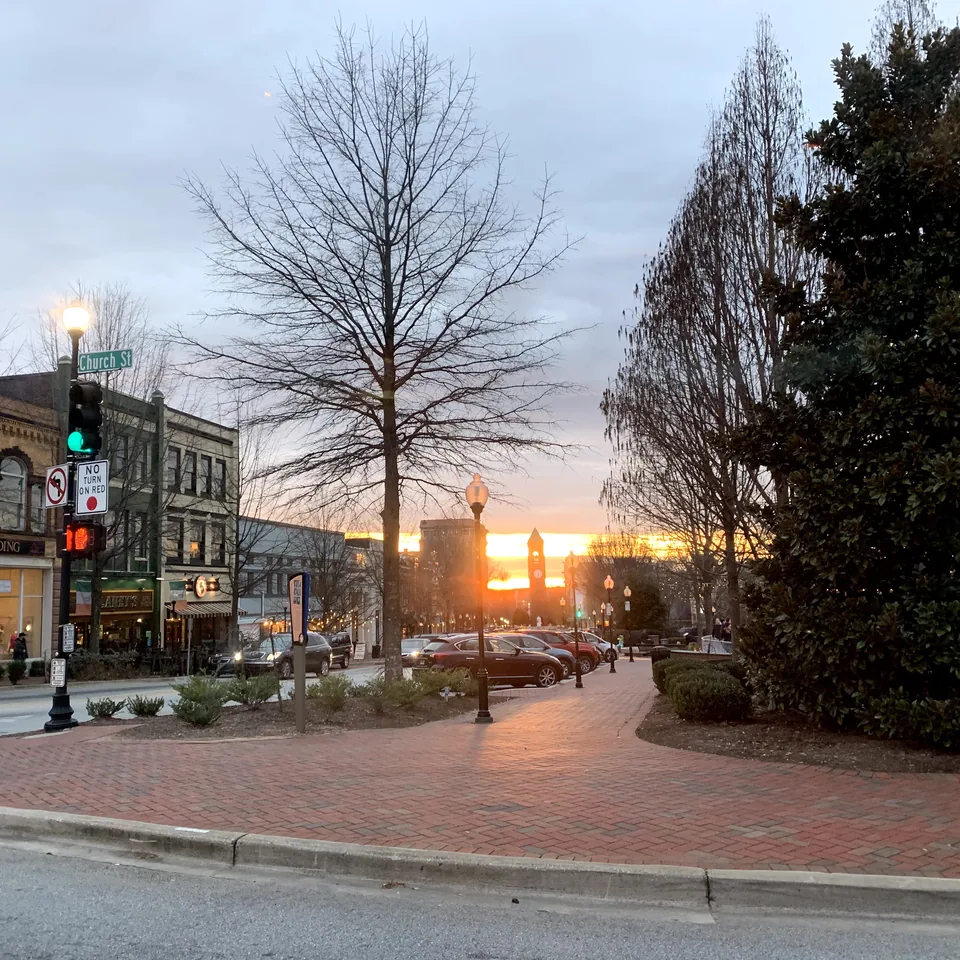
Downtown Spartanburg
Celeste
American
9 toward American
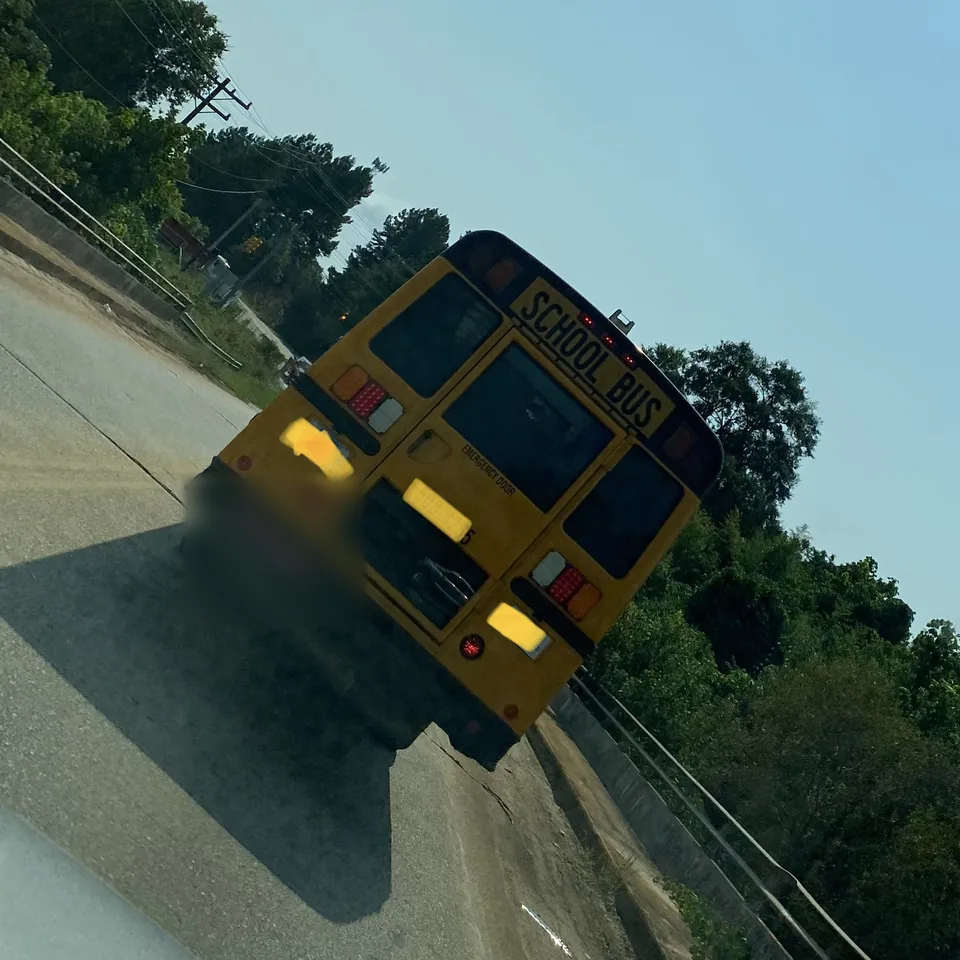
School bus
Lorena
American
9 toward American
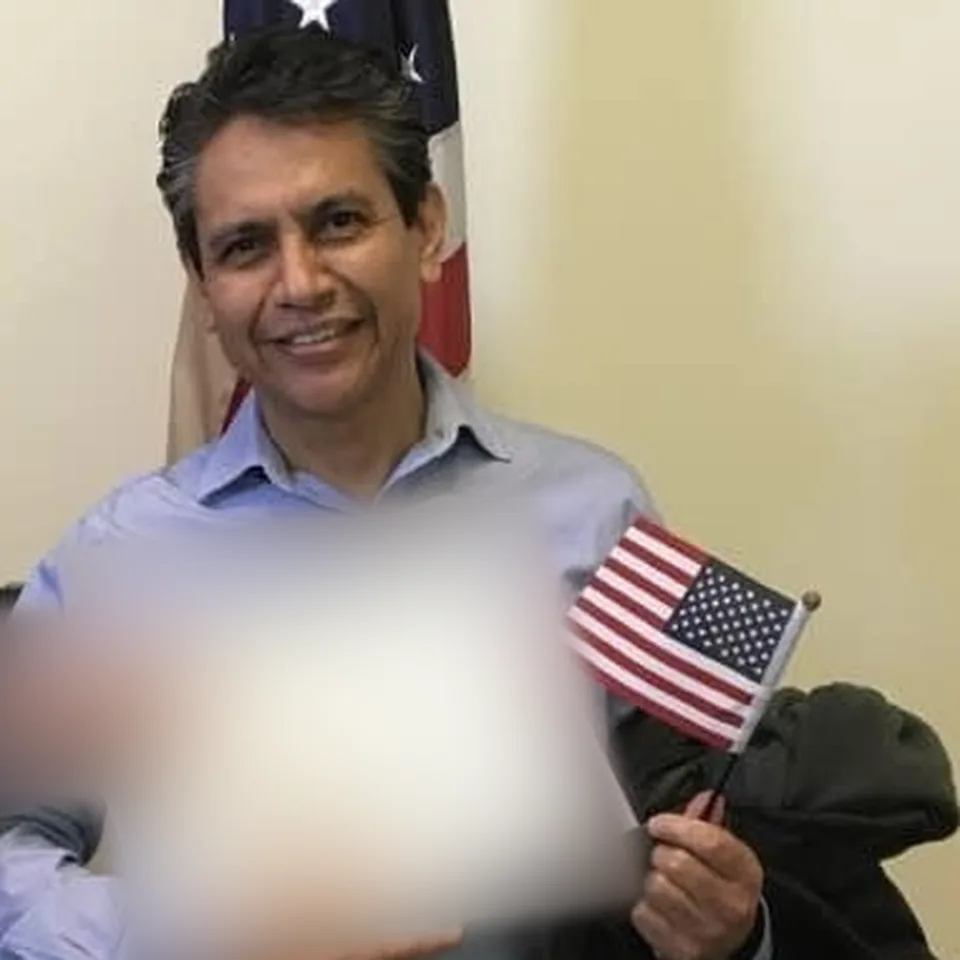
Citizenship certificate
Francisco
American
100% American
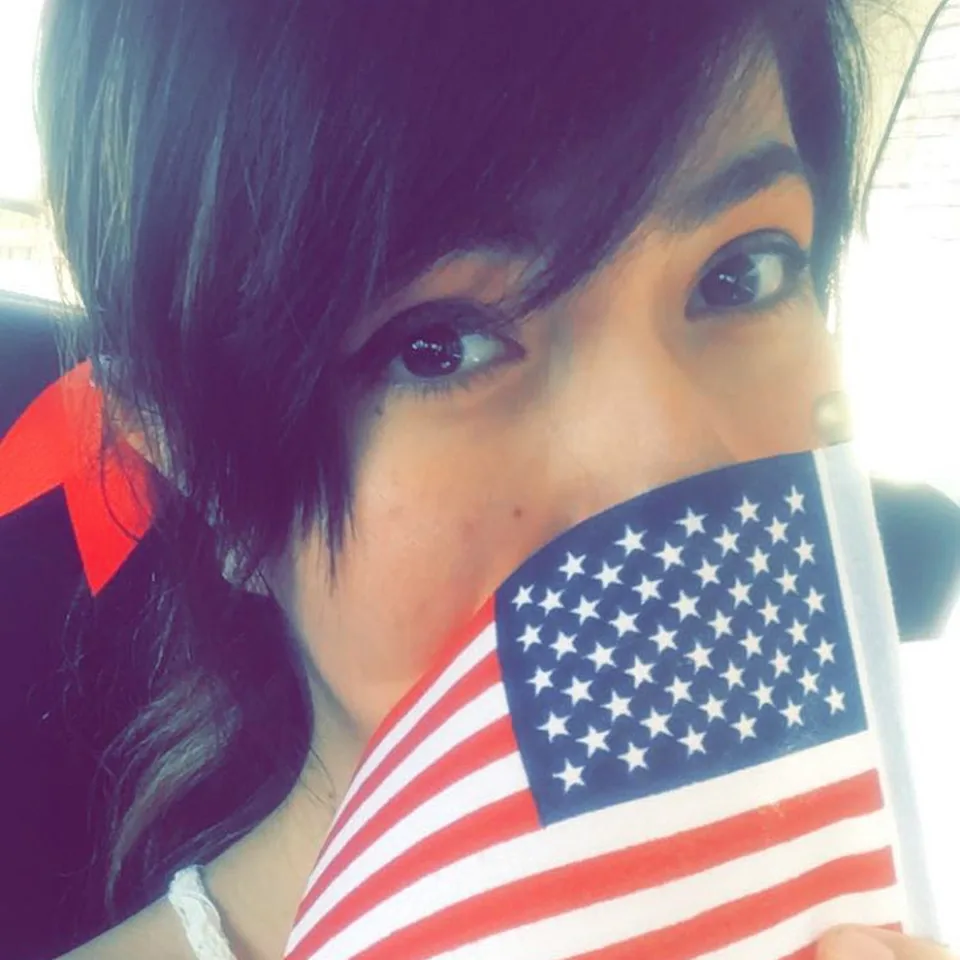
Citizenship selfie
Ana
American
100% American
In their words
Several interviews were in Spanish. The translations are mine.
Taken for “American”Placed 9 toward American
Downtown Spartanburg
“Me encantan los amaneceres acá, me encanta salir a caminar, la tranquilidad que se vive acá… Mis hijas son adolescentes y tienen el furor de vivir en Nueva York, de las ciudades grandes… pero para mí es como un lugar ideal.”
“I love the sunrises here, I love going out for walks, the calm here… My daughters are teenagers and they’re crazy about living in New York, in the big cities… but for me it’s an ideal place.”
“Esa sí está difícil, porque fácilmente se puede decir cien por ciento mexicana, pero, pues, sin la religión católica no existiría la Virgen… El catolicismo existe en todas partes, no nada más en México. Vamos a ponerla por un siete.”
“That one is hard, because you could easily say she is a hundred percent Mexican. But without the Catholic religion the Virgin wouldn’t exist… Catholicism exists everywhere, not just in Mexico. Let’s put her at about a seven.”
Maricruz · came from Mexico as an adult
Taken for “Colombian”Placed 8 toward Colombian
Colombia jersey
“Siento que el fútbol es el deporte colombiano más importante y el que une al país… Cuando juega Colombia, la mayoría de gente que te encuentras en la calle tiene la camiseta de Colombia… Uno se la pone con orgullo, uno se siente como que guau, soy colombiano, a pesar de que ganemos o perdamos.”
“I feel like soccer is the most important Colombian sport, the one that unites the country… When Colombia plays, most of the people you run into on the street are wearing the Colombia jersey… You wear it with pride. You feel like, wow, I’m Colombian, whether we win or lose.”
From the family focus group with her mother, Celeste.
Victoria · came from Colombia as a teenager · Celeste’s daughter
Taken for “American”Placed 5 toward American
Thermostat
“In Mexico, they don’t have a thermostat because they don’t have air conditioning… In America, if you work hard, you can have these things. These are the kind of little opportunities that are available to us here.”
Lorenzo · born in the United States to Mexican parents
Taken for “American”Placed 9 toward American
School bus
“Para mí eso refleja la cultura americana completamente. Que las escuelas tengan autobús escolar gratuito, y además amarillo… En México llega a haber transportes escolares, pero son privados, en escuelas privadas, tú lo pagas, y la mayoría de veces son camionetas, no un autobús en sí.”
“For me it reflects American culture completely: that schools have a free school bus, and a yellow one too… In Mexico there is school transportation, but it’s private, at private schools, you pay for it, and most of the time it’s a van, not an actual bus.”
At least five participants photographed a school bus. In the family focus group, Lorena’s daughter, Leticia, agreed: “The school bus is just a symbol of American culture… especially yellow, it’s just, oh, that’s American, because in Mexico we don’t have school buses like that.”
Lorena · came from Mexico as an adult · Leticia’s mother
Taken for “Mexican”Placed 100% Mexican
Día de Muertos
“Day of the Dead in Mexico is like a really, really big celebration. It’s a day where you celebrate family and, you know, those [who] are gone… It’s such an important part of my culture, to me and to many others.”
“Here in the United States, not really. I don’t really celebrate it… It’s not as big as it used to be when I was little and lived in Mexico.”
The makeup is a sugar skull inspired by the movie Coco. Ana also took the citizenship selfie. She put the two photographs at opposite ends of the scale.
Ana · came from Mexico at twelve
Taken for “Argentine”Placed 100% Argentine
Mate
“When you have mate, it’s not just about the tea, it’s about everything that comes with it: the food, the friends, laughs, the talks. So it’s not the same thing here.”
Maria · born in the United States to Argentine parents
Taken for “Mexican”Placed 9 toward Mexican
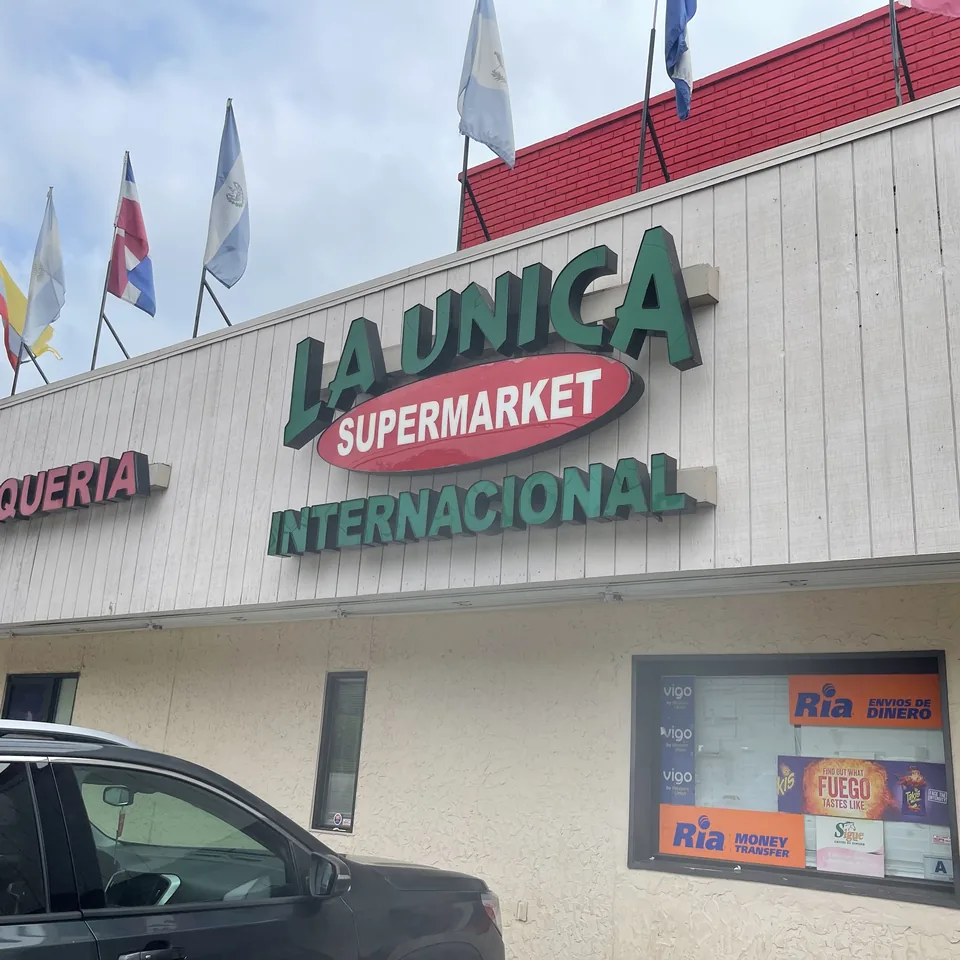
La Única Supermarket
“It’s more or less like a store you would find if you were in Mexico… Whenever I go in there, it kind of hits me. It’s like, oh, this is part of me. But it’s something that I had to learn to really understand.”
“When we go to that store, you kind of take things a little bit slower. We’re gonna prepare the food, you have a nice meal with friends and family.”
Lorenzo · born in the United States to Mexican parents
Taken for “American”Placed 8 toward American
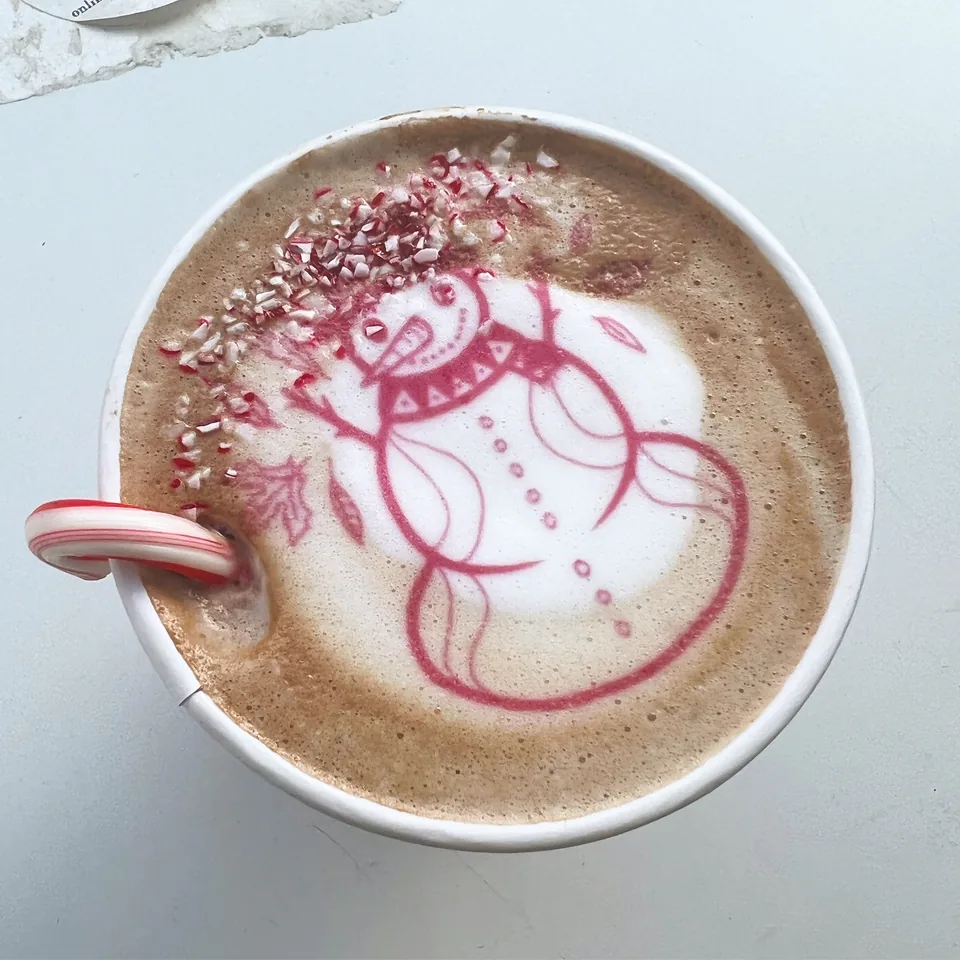
Snowman latte
“It was a piece of art. I can consume art in this country… This is just very over-the-top America to me.”
Mariana · born in the United States to Colombian and Puerto Rican parents
Taken for “Colombian”Placed 100% Colombian
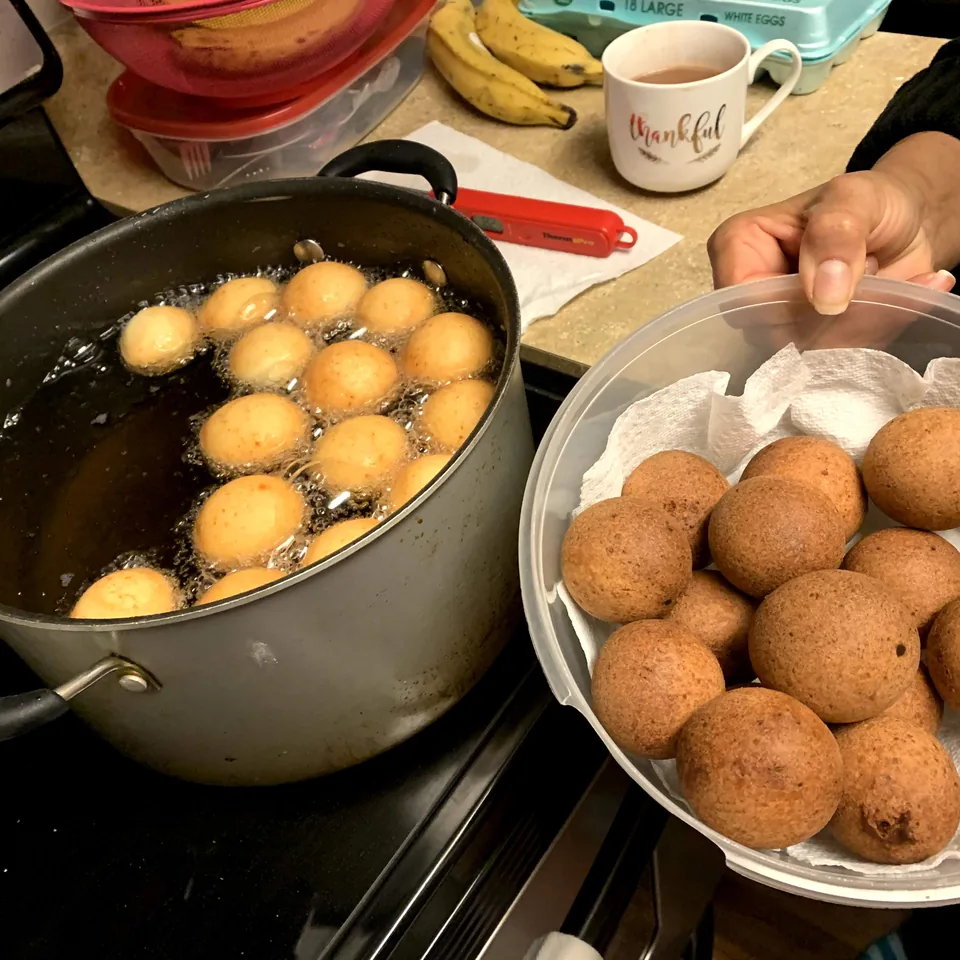
Buñuelos
“En Navidad siempre se preparan los buñuelos.” “La pondría en diez, porque es colombiano… Los consiguieron en otros lados y no son los mismos.”
“At Christmas we always make buñuelos.” “I’d put it at a ten, because it’s Colombian… They found them in other places, and they aren’t the same.”
Celeste · came from Colombia as an adult
Taken for “Mexican”Placed 8 toward Mexican
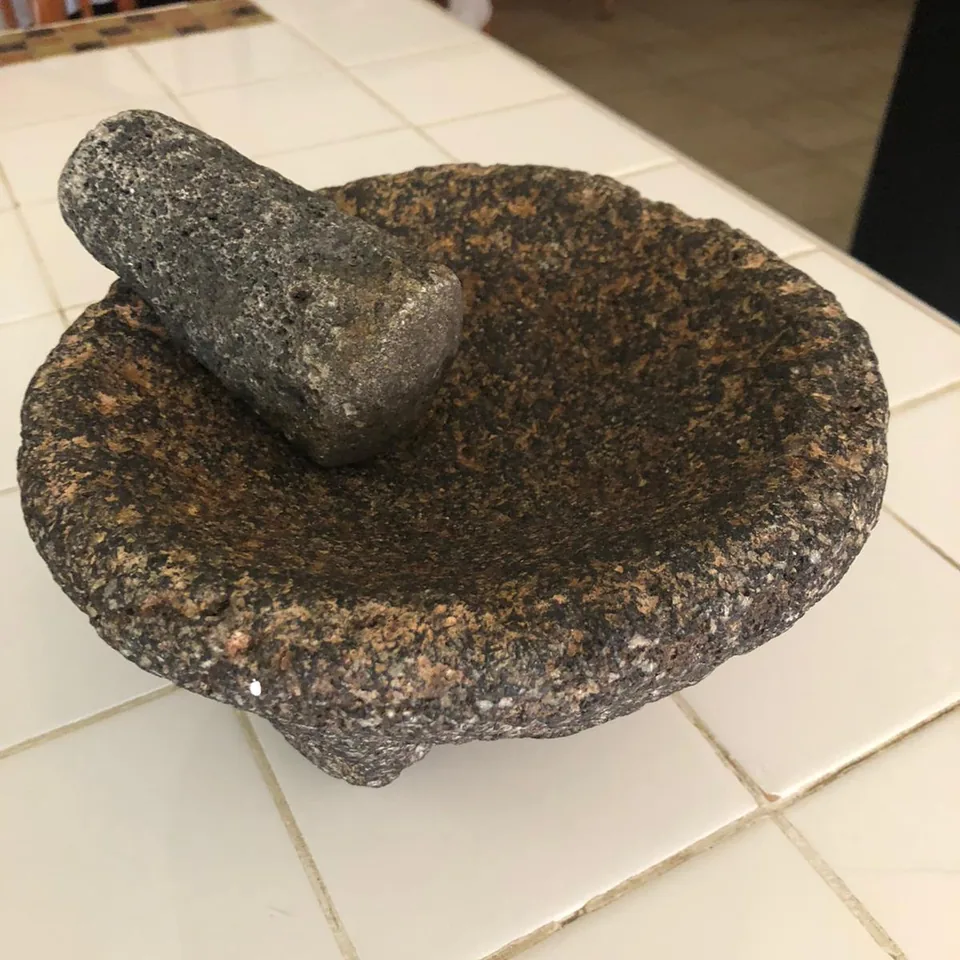
Molcajete
“Eso es algo típico de México… son hechos de piedra.” “Pues igual ocho, porque yo lo tengo, pero usted también lo puede tener.”
“That’s something typical of Mexico… they’re made of stone.” “An eight as well, because I have one, but you can have one too.”
She said this just after the interviewer mentioned having a molcajete at home in Guatemala.
Rosario · came from Mexico as an adult
Citizenship day
Ana and her father, Francisco, both photographed the day they became U.S. citizens, and both took the photograph for “American.”
Taken for “American”Placed 100% American
“I was getting that little flag… I took it kind of like a celebratory selfie to say, hey look, I’m American now too.”
“It means kind of officially being part of it, being part of that huge group of people… putting our little grain of salt in the big melting pot.”
Ana · came from Mexico at twelve · Francisco’s daughter
Taken for “American”Placed 100% American
“They kind of made it official to say hey, you’re American, you’re accepted.”
Ana said this about the ceremony in the family focus group. The interviewer pointed out that Francisco had used the same word, “accepted,” in his own interview.
Francisco · came from Mexico as an adult · Ana’s father
One burrito, two answers
Two participants from different families, both of whom came from Mexico when they were young, photographed a Chipotle burrito. One took it for “American” and the other for “Mexican.” Both placed it at or next to the midpoint of the scale.
Taken for “American”Placed 1 toward American
“I always saw it as American because… you’ll never go to Mexico and they’ll be like, ‘Oh, I want a burrito right now.’”
“I put it at a one because it’s Americanized, but a lot of people perceive it as Mexican. It is kind of like a blend of both, but definitely on the American side for me.”
Gabriela · came from Mexico as a child
Taken for “Mexican”Placed at the midpoint
“In Mexico they don’t have burritos… I think that represents the merge in between the American and the Mexican culture.”
“You try to cling to that side, to the Mexican side, but that’s what you have available here.”
The Taste of La Tierra: Food and Multigenerational Immigrant Identity
Every participant raised food. Both generations used it to mark national origin and cultural difference, and parents also read their children’s food preferences as a sign of how strongly they identified with their heritage. The paired design made that last finding visible, because parents responded to their own children’s photographs. A sole-authored paper on these findings is in preparation. The project has been presented at the American Sociological Association Annual Meeting and the Chicago Ethnography Conference.
When they submitted their photographs, participants agreed that the images could be shared with others and in publications. All names are pseudonyms.
The only faces shown are participants’ own. Other people, names, addresses, and documents are cropped out or blurred, and all file metadata, including location, has been removed.
Quotations come from interview transcripts with filler words removed. Ellipses mark omissions.
Fieldwork with Katarina Huss, approved by the Institutional Review Board at the University of Texas at Austin.